Introduction
Welcome to the ultimate guide to CPR and first aid training! In this extensive post, we will explore whatever you need to learn about CPR (Cardiopulmonary Resuscitation) and first aid training. From understanding the significance of these life-saving strategies to finding the right courses and accreditations, this guide has got you covered. So let's dive in and equip ourselves with the understanding and abilities essential to be a first responder in emergency situation situations.
Table of Contents
The Significance of CPR and First Aid Training HLTAID011: First Aid Course for Comprehensive Training- What is HLTAID011? Benefits of HLTAID011 Certification How to Register in an HLTAID011 Course
- What is First Aid? Why is First Aid Important? Basic First Aid Techniques Everybody Should Know
- Factors to Think about When Choosing a First Aid Course Popular First Aid Courses Available
- What is CPR? The Value of Learning CPR Along With First Aid Finding the Right CPR and First Aid Course for You
- Understanding HLTAID009 Certification Learning CPR: Step-by-Step Guide
- The Value of Childcare First Aid Training HLTAID012: Giving First Aid in an Education and Care Setting
- Advantages of Online First Aid and CPR Courses Finding Accredited Online Training Providers
- Requirements to End up being a First Aid Trainer Responsibilities and Skills of a First Aid Trainer
The Ultimate Guide to CPR and First Aid Training
CPR and first aid training are vital life skills that can make a significant distinction in emergency situation situations. Whether you are a healthcare professional, a teacher, a parent, or simply a concerned citizen, having the understanding and abilities to supply immediate help can conserve lives.
HLTAID011: First Aid Course for Comprehensive Training
What is HLTAID011?
HLTAID011 is a recognized first aid course that offers comprehensive training in vital life-saving strategies. This course covers a large range of topics, consisting of standard first aid, CPR, and making use of automated external defibrillators (AEDs). By finishing this course, individuals gain the necessary abilities to respond successfully in emergency situations.
Benefits of HLTAID011 Certification
Obtaining HLTAID011 accreditation uses many benefits, both personally and expertly. Some key benefits include:
Enhanced Self-confidence: With detailed training in first aid strategies, individuals get confidence in their ability to handle emergencies. Employability: Lots of markets need employees to have legitimate first aid accreditations. HLTAID011 certification can boost your employability. Life-Saving Skills: HLTAID011 gears up individuals with the skills to conserve lives in crucial situations. Continued Expert Development: First aid training is frequently a requirement for professional development in different fields.How to Register in an HLTAID011 Course
Enrolling in an HLTAID011 course is easy and available. Here's a step-by-step guide:
Research Training Companies: Search for trustworthy training suppliers that offer HLTAID011 courses. Check Accreditation: Guarantee that the training provider is certified by recognized organizations. Course Duration and Format: Consider the duration and format of the course, whether it's classroom-based or online. Enroll and Attend the Course: Register for the course and participate in the scheduled classes or finish the online modules. Assessment and Accreditation: Successfully total all assessments to obtain your HLTAID011 certification.First Aid: An Essential Ability for Everyone
What is Very first Aid?
First aid describes immediate medical assistance provided to a hurt or ill person before expert medical aid arrives. It involves providing standard care, stabilizing injuries, and avoiding more harm.
Why is First Aid Important?
First help plays an important function in emergency situation scenarios, as it can:
- Save Lives: Immediate first aid can make a significant distinction in conserving lives throughout important moments. Prevent Additional Injury: Correct first aid methods can avoid injuries from intensifying before professional help arrives. Promote Healing: Early intervention through first aid measures can add to faster healing and better outcomes.
Basic First Aid Techniques Everyone Ought To Know
Every individual ought to have a fundamental understanding of basic first aid strategies. Some vital skills include:
CPR (Cardiopulmonary Resuscitation): CPR is a life-saving strategy used when someone's breathing or heart beat has stopped. It includes chest compressions and rescue breaths. Bleeding Control: Understanding how to control bleeding by using direct pressure and raising the injured limb can avoid extreme blood loss. Choking: Understanding how to carry out the Heimlich maneuver or stomach thrusts can help remove an obstruction in the airway. Fracture Stabilization: Incapacitating fractures using splints or improvised materials can avoid additional injury. Burn Care: Knowing how to cool and cover burns can minimize pain, prevent infection, and promote healing.Choosing the Right First Aid Course for You
Selecting the right first aid course is vital to guarantee you get comprehensive training that aligns with your requirements and objectives. Think about the list below aspects when picking a course:
Accreditation: Guarantee that the course is recognized by acknowledged companies such as the American Heart Association or Red Cross. Course Material: Evaluation the syllabus to identify if it covers important first aid strategies and skills you want to learn. Instructor Certifications: Inspect if the trainers are skilled and certified in teaching first aid courses. Class Format: Think about whether you choose classroom-based training or online courses that provide flexibility. Certification Credibility: Confirm the length of time the accreditation will stand before you require to restore it.Popular First Aid Courses Available
Basic First Aid Wilderness First Aid Pediatric First Aid Workplace First Aid Sports First AidCPR and First Aid Courses: Integrating Important Skills
What is CPR?
CPR, or Cardiopulmonary Resuscitation, is a life-saving technique performed on people whose heart has stopped beating or who have actually stopped breathing. It involves chest compressions and rescue breaths to preserve blood circulation and oxygenation till expert medical assistance arrives.
The Value of Learning CPR Alongside First Aid
Learning CPR alongside first aid supplies individuals with a detailed set of abilities to respond efficiently in emergency situations. When combined, CPR and first aid can:
- Increase Survival Rates: Immediate CPR can double or triple the chances of survival for somebody experiencing cardiac arrest. Complement First Aid Techniques: CPR boosts the effectiveness of first aid strategies by preserving blood flow and oxygenation. Address Cardiac Emergencies: CPR is specifically designed to attend to heart emergency situations, which are a leading cause of death.
Finding the Right CPR and First Aid Course for You

When searching for a CPR and first aid course, think about the following factors:
Accreditation: Make sure that the course is certified by respectable companies such as the American Heart Association or Red Cross. Course Period and Content: Examine if the course offers comprehensive training in both CPR and first aid techniques. Training Methods: Consider your favored learning design and choose between classroom-based or online courses. Certification Validity: Confirm the length of time the certification will stand before renewal is required.HLTAID009: Offer Cardiopulmonary Resuscitation (CPR)
Understanding HLTAID009 Certification
HLTAID009 is a specific course that concentrates on providing comprehensive training in cardiopulmonary resuscitation (CPR). This certification equips people with the abilities essential to perform CPR with confidence and effectively.
Learning CPR: Step-by-Step Guide
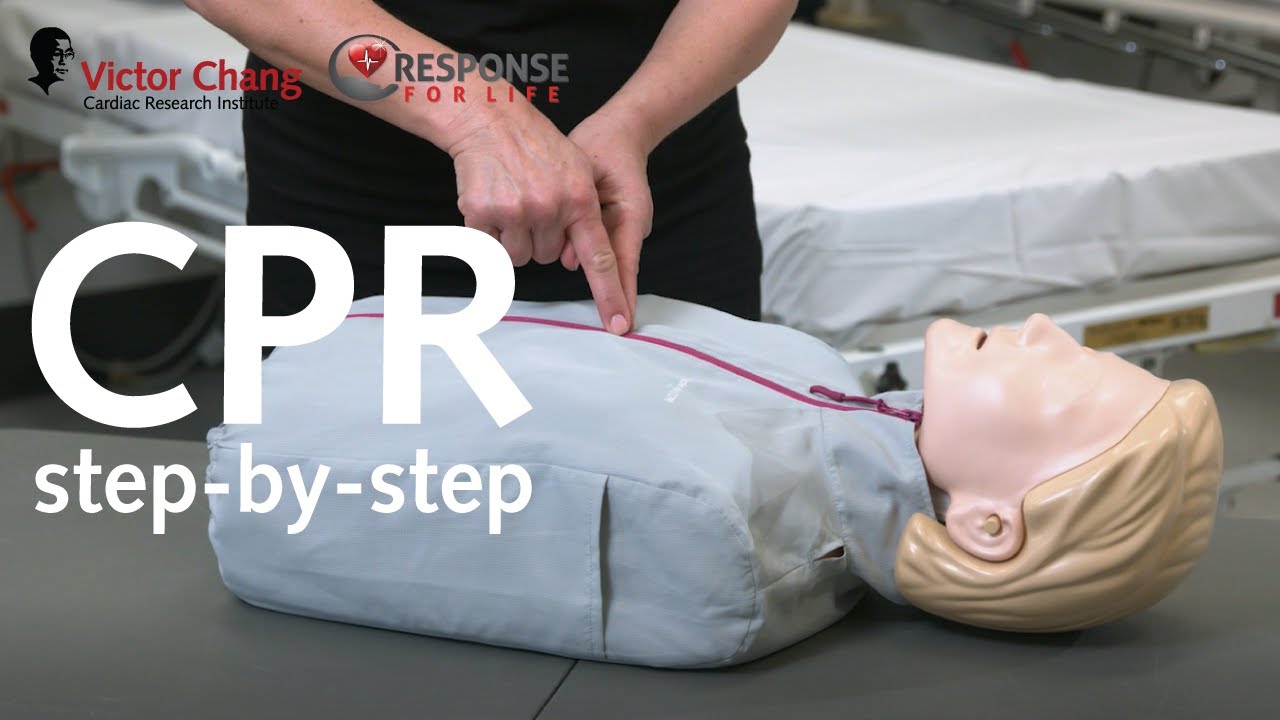
Learning CPR includes particular steps to guarantee proper strategy and efficiency. Here's a step-by-step guide to performing CPR:
Assess the circumstance for safety and call emergency situation services. Check responsiveness by tapping the person's shoulder and asking if they are okay. Open the airway by tilting their head back gently. Check for breathing by looking, listening, and sensation for any signs of regular breathing. Begin chest compressions by positioning your hands in the center of their chest, interlocking your fingers, and pressing set at a rate of 100-120 compressions per minute. Provide rescue breaths by giving 2 breaths after every 30 compressions. Continue CPR till professional help shows up or the individual reveals signs of life.Child Care First Aid Course: Specialized Training for Child Care Providers
The Significance of Childcare First Aid Training
Child care companies play an important role in making sure the security and well-being of kids under their care. Child care first aid training is necessary to gear up child care experts with the essential skills to react efficiently in emergency situations specific to children.
HLTAID012: Offering First Aid in an Education and Care Setting
HLTAID012 Online provide first aid is a customized certification course that concentrates on supplying first aid in an education and care setting. This course addresses the unique needs and challenges of supplying first aid to kids in academic environments, such as schools and child care centers.
Online Choices for Hassle-free Training
Advantages of Online First Aid and CPR Courses
Online first aid and CPR courses offer a number of advantages that make training more accessible and practical:
Flexibility: Online courses permit people to learn at their own speed and at a time that suits their schedule. Cost-Effective: Online courses often have lower charges compared to standard classroom-based training. Accessibility: People can access online courses from anywhere with an internet connection, getting rid of geographical barriers. Interactive Knowing: Lots of online courses integrate interactive modules, quizzes, and videos to enhance learning.Finding Accredited Online Training Providers
When considering online first aid and CPR courses, guarantee you pick an accredited company recognized by respectable companies such as the American Heart Association or Red Cross. Some popular certified online training suppliers include:
- ProTrainings National CPR Foundation American Health Care Academy
The Role of a First Aid Trainer: Becoming a Specialist in Saving Lives
Requirements to End up being a First Aid Trainer
Becoming a first aid fitness instructor needs satisfying particular requirements and credentials. Some typical requirements include:
Certification: Get relevant certifications, such as HLTAID009 or equivalent, to demonstrate proficiency in first aid and CPR techniques. Teaching Qualifications: Complete a train the fitness instructor course or have mentor certifications that enable you to provide first aid training. Experience: Gain useful experience in supplying first aid and CPR to develop expertise in the field. Communication Skills: Excellent interaction and presentation skills are essential for effectively delivering training sessions.Responsibilities and Skills of a First Aid Trainer
First help trainers have important responsibilities in educating people on life-saving strategies. Some essential duties include:
Delivering Training Sessions: Plan and carry out training sessions, guaranteeing efficient shipment of understanding and skills. Demonstrating Techniques: Supply hands-on demonstrations of first aid techniques and guide individuals in practicing these skills. Assessing Competency: Assess individuals' understanding and proficiency through assessments and useful demonstrations. Staying Updated: Stay notified about the latest advancements in first aid strategies, standards, and regulations.FAQs about CPR and First Aid Training
1. What is the difference in between CPR and very first aid?
CPR is a specific life-saving strategy that includes chest compressions and rescue breaths to preserve blood flow in someone whose heart has stopped beating or who has stopped breathing. First aid, on the other hand, includes a wider range of instant medical assistance offered to an injured or ill individual before expert help arrives.

2. For how long does it require to complete a CPR and first aid course?
The period of CPR and first aid click here courses can differ depending upon the level of certification sought. Fundamental courses can normally be finished within a couple of hours, while more comprehensive courses might need a number of days of training.
3. Is first aid training just for healthcare professionals?
No, first aid training is not limited to healthcare professionals. It is helpful for everyone, despite their profession or background. First aid abilities can be used in various settings, such as homes, offices, schools, and public spaces.
4. Can I perform CPR on a child or infant?
Yes, CPR strategies can be customized for use on children and infants. Nevertheless, it is essential to receive customized training in pediatric CPR to ensure the correct application of strategies particular to these age groups.
5. Do online first aid courses supply legitimate certifications?
Yes, many trustworthy online training companies offer legitimate certifications upon successful conclusion of their courses. It is important to make sure that the online course is accredited by recognized organizations to make sure the certification's validity.
6. How often must I renew my first aid certification?
First aid certifications usually have an expiration date, usually valid for two to three years. It is recommended to renew your certification before it ends to preserve current understanding and skills.
Conclusion
CPR and first aid training are crucial skills that empower individuals to respond efficiently in emergency situation scenarios. By completing accredited courses such as HLTAID011 and HLTAID009, people get the needed knowledge and confidence to conserve lives. Whether you choose classroom-based or online training, make sure to choose respectable service providers that provide comprehensive courses aligned with your requirements. Keep in mind, being prepared with CPR and first aid skills can make a life-saving difference when every second counts. So take the primary step today and end up being a licensed first responder!